



May 23, 2024

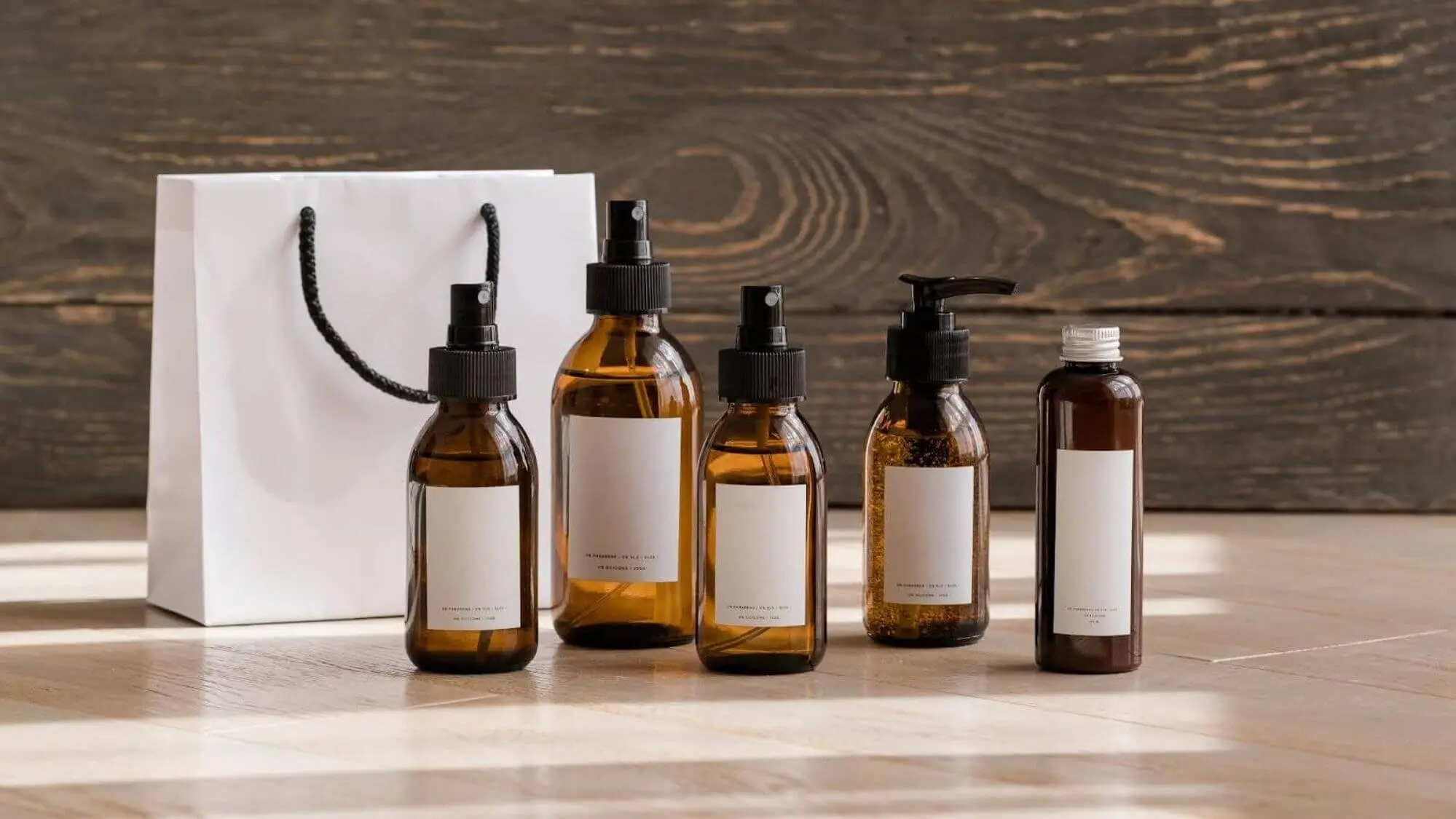
If you sell skincare online, you should be thinking about what platforms you want to use, the audience you want to reach, and how to maximize profits by minimizing your competition.
This blog will cover tactics and tips for selling skincare products on platforms like Instagram, Amazon, and Shopify, as well as why you should consider partnering with a 3PL to help grow your skincare brand.
3 Popular Online Skincare Platforms
When selling skincare products online, you want to know which platforms will give you the best edge for your brand. Customer experience is one of the most important elements in having a successful business, and the platform you choose to sell your products on will play right into this.
We’ll talk more about user experience later on, but for now, let’s focus on where your brand will live. Below, we will discuss some of the most popular platforms you can choose from and what sets each apart.
1. Amazon
As one of the world’s largest and most profitable e-commerce sites, it’s no surprise many individuals choose to sell their skincare products on Amazon. Using Amazon allows you to reach a large audience on a platform that many people are already familiar with and can easily navigate.
2. Shopify
If you want to create an online skincare store that’s more personalized to your brand and customers, Shopify may be the platform for you. This site allows you to sell your products in multiple places from social media to online marketplaces.
3. Instagram
Another popular option is to sell your products directly on a social media platform, like Instagram. Selling skincare on Instagram is a great option if you’re interested in influencer marketing. Influencers who share your values can help bring in more customers and promote your brand.
Choosing a platform is only one step of many when it comes to selling skincare online. While each site above differs, the basic techniques to successfully sell skincare online remain the same.

eCommerce Skincare Selling Strategies
There are many strategies to use when selling your skincare online. The sections below will explain tips on how to start or improve your eCommerce skincare site.
Know Your Audience
When selling anything, you need to understand your audience on a multidimensional level. It’s important to remember that there is more than just one target customer you should be trying to reach.
Building several personas, each representing a different target customer, allows you to reach a larger audience. These personas should be based on research and questions. For example, begin by answering the following questions.
- What are their habits? Likes and dislikes?
- Where are they in their lives? Which milestones are they trying to reach?
- How does your product or brand fit into their lifestyle?
- What do they need from your product?
- What are their main skincare concerns?
- Which products are they interested in?
The more you know about your audience, the easier it is to identify and meet their needs. The primary focus should be to make your customers’ lives easier. Dive deeper into their main concerns so that you can market your product as a solution to their problem.
For example, are they worried about acne and redness or drying and aging? After determining what problems your skincare products solve, you can dive into what sets you apart from competitors.
Know What Makes You Different
The market for skincare products is growing rapidly and is estimated to grow at a rate of 3.5% annually. This means that if you’re selling skincare online you’ll have a sizeable potential audience.
However, it also means you’ll be competing with many other sellers advertising the same type of products. The first step to standing out against competitors is identifying your specialty or niche. Generally speaking, there are 3 types of skincare niches to consider:
- Luxury skincare – these products and treatments are made with high-quality ingredients and often are dermatologically tested. If you’re considering starting a skincare business or your own line of skincare, this is a great niche to consider.
- Specialist treatment – these products serve a specific skincare issue or concern, such as dry skin or acne. You may consider this niche if you have custom skincare products that serve a very particular customer base.
- Socially conscious skincare – these products emphasize natural and environmentally friendly products. If your brand’s message is focused on care for customers as well as the environment, this may be the niche for you.
After choosing your niche, it’s time to dive deeper into what makes your brand unique within that category. To do this, you can start by answering the following questions:
- What do you offer that no one else does?
- What benefits can customers get from you that they can’t just get elsewhere?
- What about your products makes them the best fit for your target customers?
- What about your customer service experience is unparalleled?
Standing out against competitors will draw your customers in, but once you have them hooked the next step is to build trust and credibility. If they don’t consider your brand reliable, they won’t return.
Think About User Experience
Establishing yourself as an industry leader or someone your customers can come to for their skincare concerns is more than just ensuring that your message aligns with the products you’re selling.
It’s about the user themselves and their experience with your brand from the moment they click on a product to the moment they receive your package in the mail. Many elements contribute to user experience.
The first thing to think about is the website you’re using to sell your skincare online. Evaluating your site structure, content, products, and marketing from your customer’s point of view can be helpful. Start by opening the site and as you browse, answer the following questions.
- Is the site visually appealing? When buying skincare online, users are relying on the visuals to be accurate and clear. Make sure your product images and other visuals are up to date and accurately portray what they will receive in the mail.
- Is the site easy to navigate? People will often leave a site if they become confused or overwhelmed with the content. Make sure your site is convenient, simple, and easy for customers to find skincare products tailored to their needs. Remember that many customers have more than one concern, so you may want to consider structuring your site in a way that allows them to filter multiple concerns.
- Is the site informative? Similar to the visuals, customers can’t try your skincare products before buying them, which is why product descriptions are so important. Make sure each product has a clear and detailed description that gives the user a sufficient amount of information before they add anything to their cart.
Another element that plays a role in user experience is your supplier. This may not seem obvious because the customers themselves may not come into contact with these people directly, but the work they do greatly impacts the products you’re selling and your brand as a whole.
Whether you intend to produce, white-label, distribute, or resell your products, you’ll need a trustworthy company to handle your products. This company’s procedures and methods should align with your brand’s goals and values.
Choosing Third-Party Logistics
As we mentioned before, skincare products can be a lucrative industry, but managing any kind of business or operation can be overwhelming. Fortunately, there are many routes you can take to help lighten your load of responsibilities.
Partnering with a third-party logistics fulfillment service or 3PL is beneficial for a variety of reasons. The first and most obvious is that it allows you to focus most of your attention and energy on your products and brand as a whole.
3PLs, like Jay Group, provide order fulfillment services like e-commerce fulfillment, specialty packaging and display assembly, return logistics handling, warehouse inventory management, and more.
Remember, since you’re working with skincare products, it’s important that whichever company you choose to partner with is reliable and qualified. For example, make sure they are FDA-registered and offer climate-controlled facilities where your products will remain safe.
Interested in partnering with Jay Group? Contact our team today to see how we can help your business.
Frequently Asked Questions
How do I start selling skincare online?
Work with a lab or manufacturer on a formula, test it for safety and stability, label it to FDA rules, and choose your sales channels, such as Shopify, Amazon or TikTok Shop. Plan storage and shipping before launch, because skincare needs lot and expiration tracking.
Do you need a license to sell skincare products?
The U.S. has no federal license to sell cosmetics, but under MoCRA brands must register manufacturing facilities and list products with the FDA, keep safety records and report serious adverse events. Products with drug claims, such as SPF, follow drug rules. Check state business licenses too.
How should skincare products be stored and shipped?
Keep them in a stable, moderate temperature and humidity, ship oldest or first-expiring stock first, and use leak-proof packaging for liquids. Jay Group stores skincare in climate-controlled space with lot and expiration tracking.
Should I sell skincare on Amazon or my own website?
Most brands do both: their own site for margin, brand and customer data, and Amazon for reach. Shipping both from one inventory pool keeps stock from being split.
Not Sure Your 3PL Is the Right Fit?
Meet with Natalia Golenkova - Director of Marketing at Jay Group


Contact Us
Fulfillment decisions shouldn’t be based on assumptions. Let’s talk through your challenges & have a straightforward conversation about whether Jay Group is the right fit for your business right now – no pressure, just clarity.