



June 30, 2021


As outbound shipping continues to grow, it’s important to understand the benefits of controlled environment facilities like climate-controlled warehouses and temperature-controlled warehouses. This will allow you to make a better decision as to which one may be right for your business and the products you offer.
In this blog, we’ll explore the importance of partnering with a fulfillment center that prioritizes a controlled environment, how it can help keep your products safe, and how it can help improve your business’s order accuracy rates and customer satisfaction.
What’s the Difference Between a Climate-Controlled Warehouse and a Temperature-Controlled Warehouse?
The most common and fundamental distinction between climate control and temperature control is humidity. A temperature-controlled warehouse manages temperature while a climate-controlled warehouse manages temperature and humidity. Despite this difference, both facilities – by creating a controlled environment – allow employees to dress seasonally appropriately and not have to haul a whole change of clothes with them on any given workday.
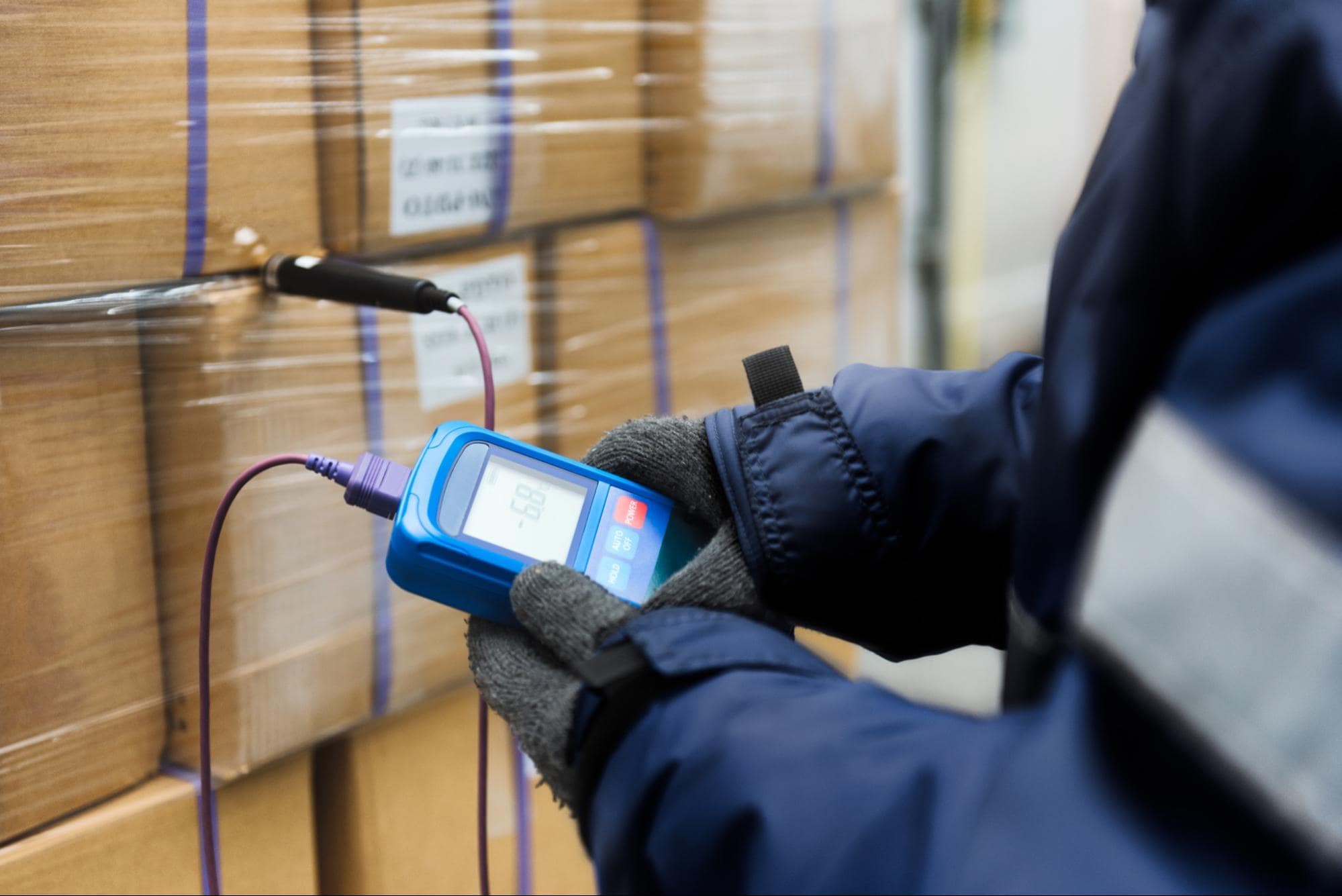
With high-quality HVAC systems, dehumidifiers, and customizable thermostats, a controlled environment warehouse can better address the needs of the people working in the warehouse and the products stored there.
Why Is a Controlled Environment Warehouse Important?
Temperature- and climate-controlled facilities are important for a number of reasons. First, they are a huge benefit to a workforce. While picking and packing don’t involve the same amount of physical exertion as a construction job, a warehouse picker can burn up to 415 calories per hour on average.
People-Focused
By partnering with a 3PL that cares for its employees and creates a comfortable environment, you don’t just invest your resources in a company that cares about its employees, you invest in a company that cares about its future. You also invest in a company with a higher rate of efficiency, as comfortable employees tend to outperform those who are struggling due to stress-related temperature issues.
Employee engagement and wellness have started to take center stage in the past decade or so. With studies showing engaged employees are more productive and proficient in their work, it’s important to partner with a 3PL that focuses not only on you and your customers but on their employees too.
The last touch between you and your product isn’t going to come from the 3PL’s sales team or board of directors. It comes from the pickers and packers who ensure your product is preserved, picked, and packaged appropriately.
Product-Focused
Temperature and climate control in a 3PL is about reducing unpredictability in temperature that can cause damage to a variety of different products. Because hot air rises and cold air falls, it can prove difficult to store certain items at different heights because of the fluctuation in temperature.
Groceries and pharmaceuticals can easily spoil if not kept at the appropriate temperature. Because temperature- and climate-controlled facilities are often placed inside buildings with sealed and insulated roofs, walls, and floors, they cut down on dust and debris, and the things that usually follow that build-up, like rodents and insects. If you’re searching for food and beverage warehousing and distribution or healthcare product warehousing, a partner with a climate-controlled warehouse or a temperature-controlled warehouse is crucial.
Other items that require a controlled environment include:
- Medical devices
- Pharmaceuticals
- Nutraceuticals
- Cosmetics
- Electronics
- Important documents
Food and Beverage Warehousing and Distribution
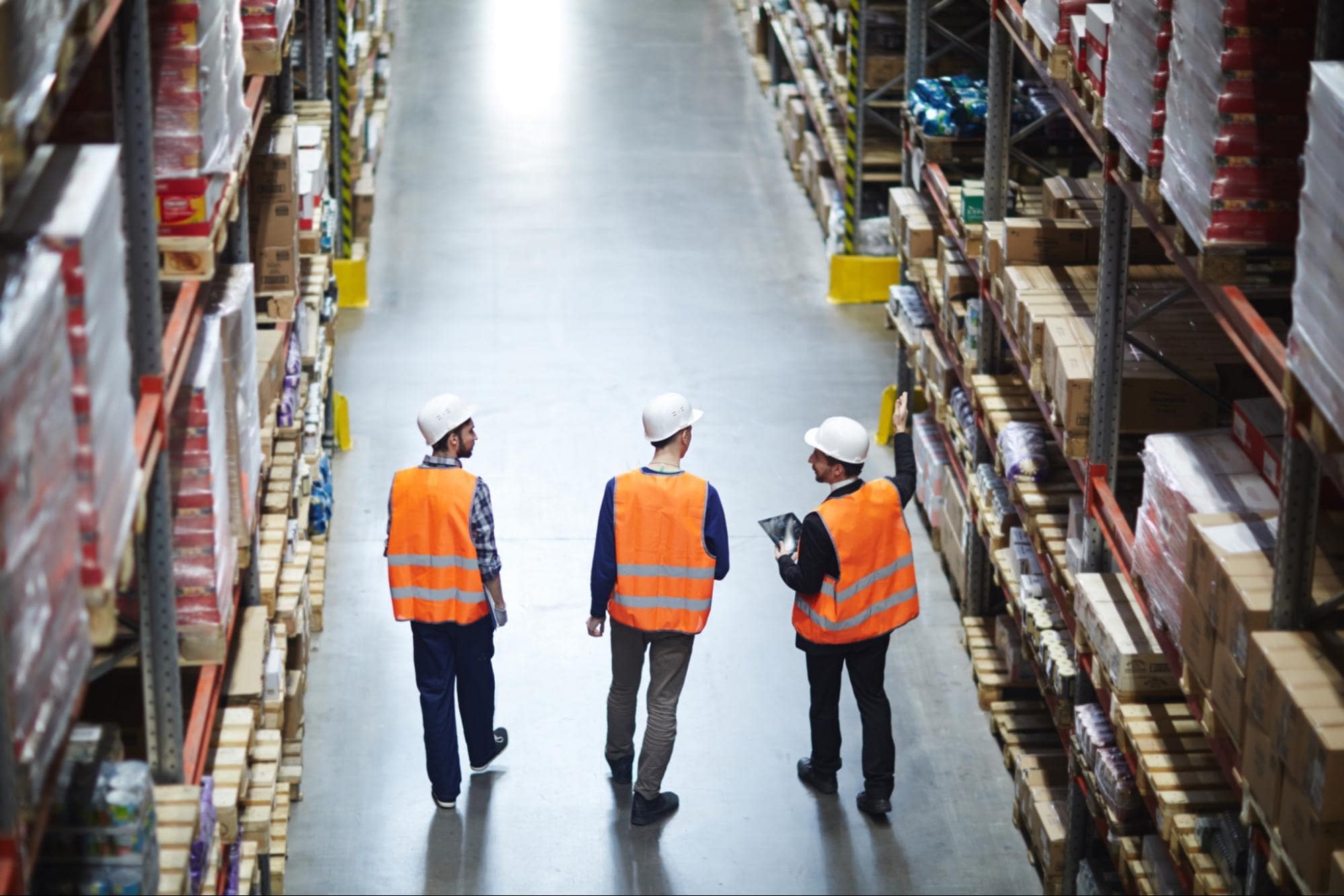
Controlled environment facilities and quality control services are absolutely essential when it comes to the challenges of shipping food, just as sanitary packing, assembly, and storage are crucial when handling food and beverage products. If you’re a business specializing in these products, make sure you partner with a 3PL that includes the following:
- Sanitary transportation of human and animal food training from the FDA
- Utilization of gloves while handling product when necessary
- Allergen training for the safety of consumers
Healthcare Product Warehousing
Just like shipping consumer packaged goods, shipping medical and healthcare products requires similar attention to temperature control in both the storage and the shipping process. Finding a 3PL that exercises the Current Good Manufacturing Practices (CGMP) that require items like food and beverages, cosmetics, pharmaceutical products, dietary supplements, and medical devices to be handled in a controlled environment warehouse that is clean, tightly controlled, and free of pests is a must.
Prioritizing Temperature & Climate While Shipping
When it comes to partnering with a 3PL, it’s also important to consider things like temperature- and climate-controlled shipping. It’s one thing to ensure items in a warehouse are stored at the correct temperature, but it’s another to make sure that once a product is shipped, all of that careful handling isn’t done away with.
Choosing the Right Material
Choosing the right packing material is somewhat dependent on temperature-sensitive items. When a 3PL chooses materials that prevent heat transfer through container walls – such as EPS (polystyrene) foam and radiant barrier film – the shipping process can better preserve the products and prevent spoilage.
Choosing the Right Temperature
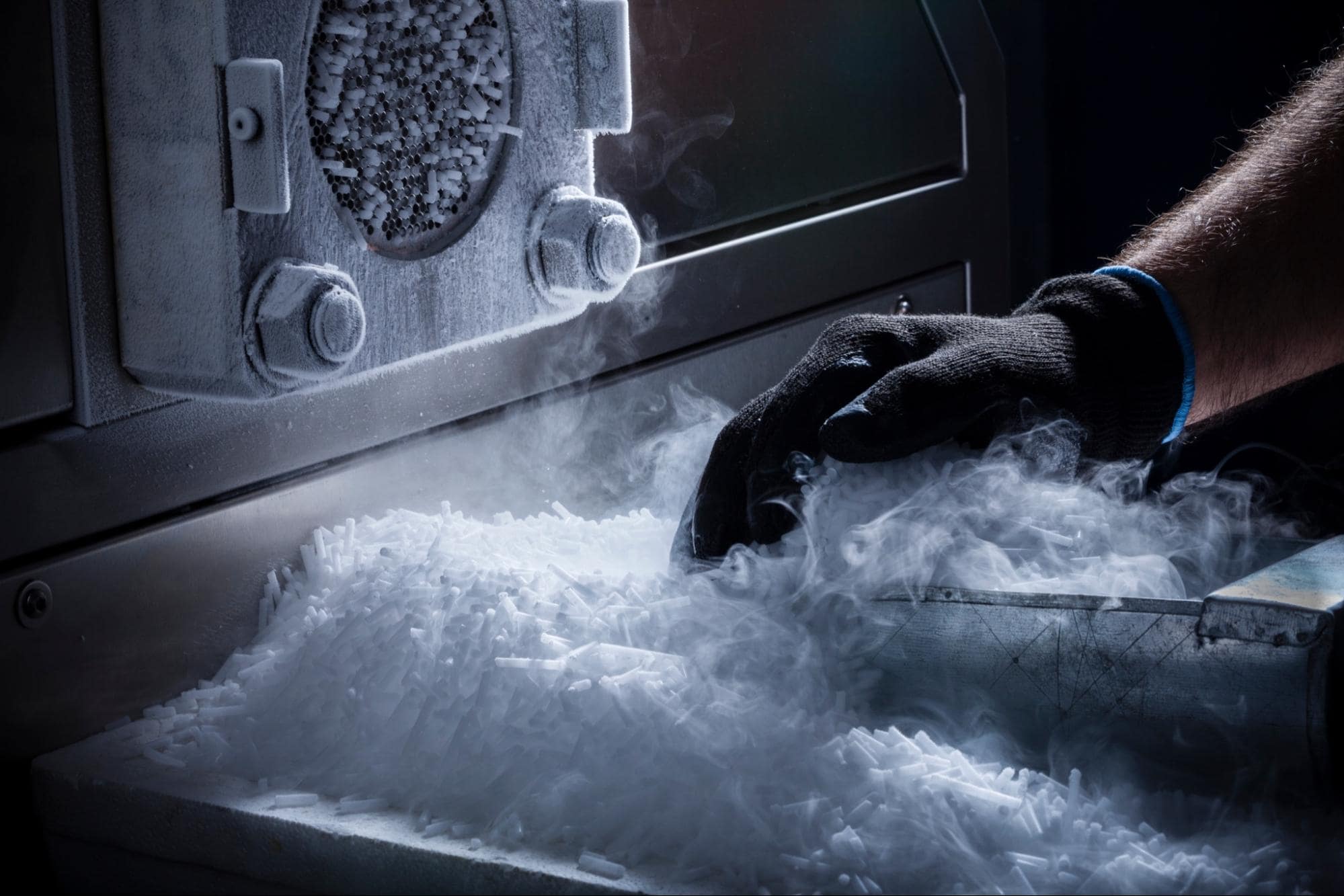
Another important aspect of shipping temperature-sensitive items comes down to coolants placed inside a package at the time of shipping. A popular option a 3PL may consider is to place dry ice in the package.
However, since dry ice is heavier than most gel coolants and more prone to leakage during transport if not packaged correctly, gel coolants are becoming increasingly popular. If a product is shipped with dry ice, it’s imperative that proper labels and hazard signs are applied to the packaging. Believe it or not, serious dry ice accidents aren’t uncommon, so it’s important to partner with a 3PL that’s experienced in this area.
Controlled Environment Shipping Methods
Gel coolants and dry ice aren’t the only shipping methods your 3PL should be able to handle. Since the safety of your cargo and your customers depends on the shipping choices you and your 3PL make, it’s important to understand the different options and why each one is important. Below is a list of different shipping and packing methods:
- Refrigerated Warehouses. For goods that require precise temperature control, refrigerated shipping is a must. Particularly in last-mile shipping (which typically entails the movement of items from a transportation hub or 3PL to a customer’s doorstep), making sure your product doesn’t spoil right in the home stretch is important.
- Styrofoam Coolers. This manner of packaging may feel like a holdover from yesteryear, but styrofoam shipping is an excellent insulator that’s inexpensive and reusable.
- Specimen Kits. Some materials, like biological specimens, may require a more intensive temperature-controlled approach to shipping. A specimen may need to be kept below freezing for at least a week. Since biological specimens can corrupt easily, it’s important to take every precaution when shipping these kits.
- Drum Heaters and Blankets. A lot of temperature-controlled shipping focuses on keeping items properly refrigerated. But when shipping to more frigid climates, it’s just as important to make sure the goods don’t freeze. This is where shipping items in drum heaters and blankets can help ensure items are preserved when temperatures drop.
The Benefits of a Controlled Environment Warehouse
The benefits of a temperature- and climate-controlled warehouse extend past the pros of properly storing and shipping sensitive items. By partnering with a 3PL that has efficient controlled environment facilities, you can have the peace of mind that you’re working with a company that continually optimizes its facilities and processes. You’ll also save money and cut down on customer complaints. With 30% of all online orders returned, ensuring your products are making it to your customers intact will help you cut down on costly returns.
When it comes to outsourcing fulfillment with a 3PL, it’s important to look for a partner that seeks to integrate top-of-the-line procedures and processes to ensure materials are shipped effectively and efficiently.
At Jay Group, we offer state-of-the-art, FDA-registered facilities totaling more than 770,000 square feet in Pennsylvania, Nevada and Texas, with ambient temperature and humidity control (not refrigerated or frozen storage). You can learn more about our fulfillment technologies or reach out to us to discuss your fulfillment needs and goals.
Frequently Asked Questions
What is a temperature-controlled warehouse?
A temperature-controlled warehouse keeps products within a set temperature range. It can mean ambient control (a stable, moderate room temperature), refrigerated storage or frozen storage.
What is the difference between climate-controlled and temperature-controlled storage?
Temperature-controlled storage manages temperature only. Climate-controlled storage manages temperature and humidity, which matters for products like supplements, cosmetics and paper packaging.
Which products need temperature-controlled storage?
Common examples are supplements, vitamins, cosmetics and skincare, candles, chocolate and some medical products. Their labels or manufacturers usually specify a storage range.
Does Jay Group offer cold storage?
No. Jay Group offers ambient climate control: monitored, stable temperature and humidity. It does not offer refrigerated or frozen storage.
Not Sure Your 3PL Is the Right Fit?
Meet with Natalia Golenkova - Director of Marketing at Jay Group


Contact Us
Fulfillment decisions shouldn’t be based on assumptions. Let’s talk through your challenges & have a straightforward conversation about whether Jay Group is the right fit for your business right now – no pressure, just clarity.