
From the outside, “e Commerce” looks simple: a customer clicks buy, a box shows up. Inside the brand, you know it’s not that simple. A DTC skincare brand, a wholesale-first manufacturer with a portal, and a marketplace-heavy seller on Amazon are all “doing ecommerce,” but they live in completely different realities. Their order profiles, service levels, returns, and margin structure don’t even rhyme. For e commerce brands, being clear about types of e commerce you actually operate in isn’t a buzzword exercise. It’s how you decide what “fast,” “profitable,” and “scalable” look like for your business—so you can align your operations, tech stack, and 3PL with reality instead of fighting it.
Summary: Types of E Commerce
Ecommerce isn’t one single business model—it’s a family of models defined by who is selling to whom and how the relationship is structured. The six main types of ecommerce (B2C, B2B, C2C, C2B, B2A, and C2A) each come with different expectations around pricing, service levels, order patterns, and technology. For brand-led ecommerce, the most common reality is a blend: a flagship DTC/B2C site, one or more marketplaces, and a growing B2B or wholesale stream layered on top.
Understanding which types of ecommerce you actually operate in is not a theory exercise. It shapes how you design your customer experience, how you structure your policies and SLAs, what you ask from your 3PL, and how you protect your margins once every order, shipment, and return has moved through the network. When your ecommerce model and your fulfillment strategy are aligned, you’re no longer just “shipping orders”—you’re running an operation that matches the way your business really makes money.
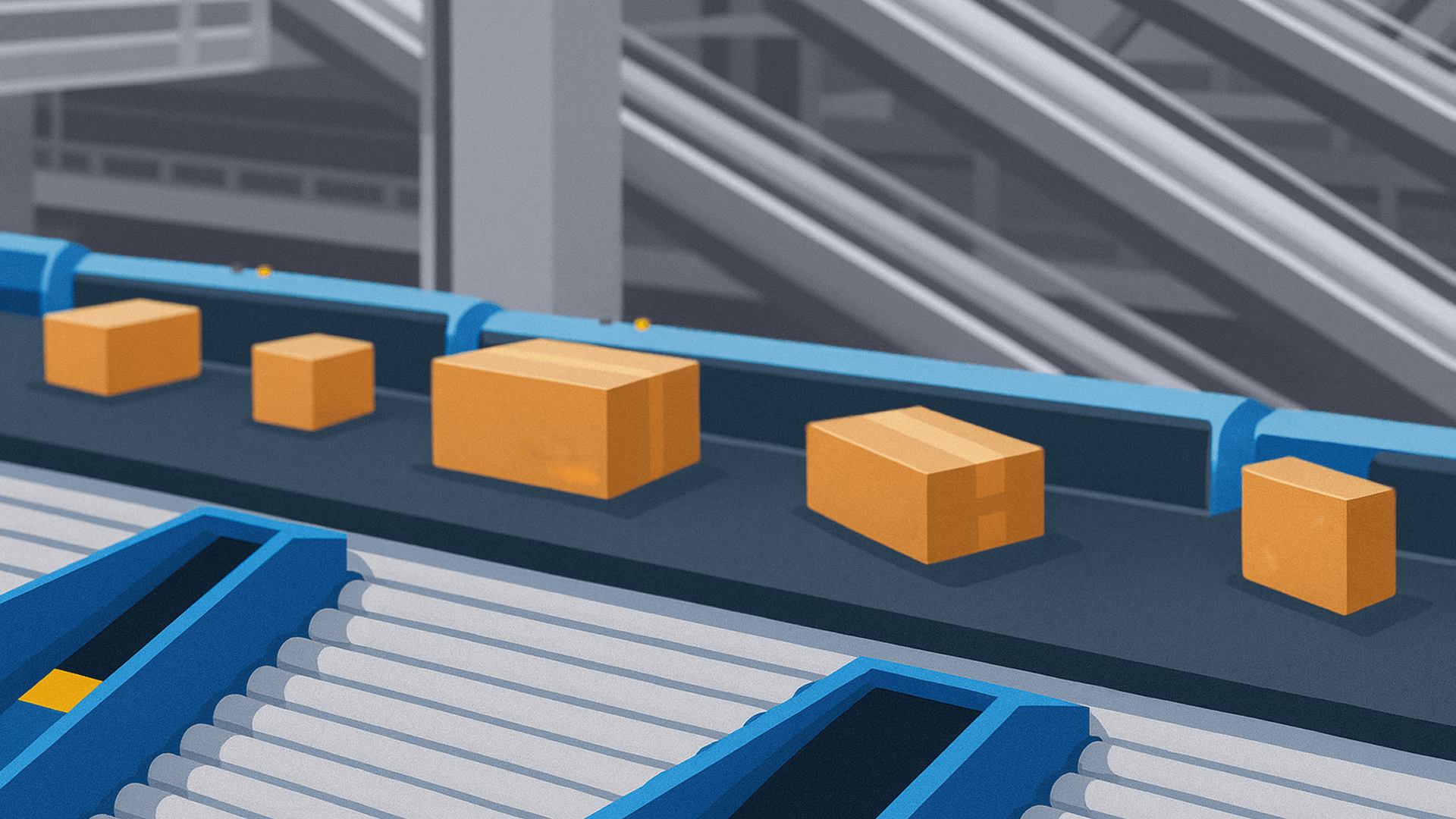
Types of E Commerce
One ecommerce business might look totally different from another. Below, you’ll learn about the six types of ecommerce, complete with their pros and cons, to find your perfect match.
Reference: https://www.shopify.com/blog/types-of-ecommerce.
Types of E Commerce: B2C (Business to Consumer)
B2C is the classic “online store” most people think of when they hear ecommerce: a business selling products directly to individual consumers. Think of brands like Glossier or Allbirds selling through their own websites, or a retailer like Best Buy taking online orders for home delivery or store pickup. The focus here is on experience and convenience—clean product pages, fast shipping, easy returns, and constant pressure on price and service because the shopper can compare you with competitors in two clicks.
Types of E Commerce: B2B (Business to Business)
In B2B ecommerce, the customer on the other side of the screen is another business rather than an individual consumer. This can be a manufacturer selling to distributors, a brand selling wholesale to retailers, or a company like Uline or Grainger serving businesses that need supplies on a recurring basis. The website often lives behind a login, with custom pricing, terms, and product visibility by account. Orders tend to be larger and more predictable, but they come with their own complexity: MOQs, credit terms, routing guides, and compliance requirements that don’t exist in typical DTC.
Types of E Commerce: C2C (Consumer to Consumer)
C2C is what you see on platforms where individuals sell directly to other individuals. Think of eBay, Vinted, Poshmark, Facebook Marketplace, or Depop. The platform provides the marketplace, payments, and some level of trust and protection, but the inventory is owned and shipped by regular people. For brands, C2C matters because it shapes how customers think about resale value, and it’s increasingly where your products live after the first sale—sometimes even competing with your new inventory.
Types of E Commerce: C2B (Consumer to Business)
C2B flips the usual script: here, individuals are the ones providing value to businesses. Freelancers on Upwork or Fiverr, photographers licensing stock images, influencers selling UGC content to brands—all of that falls under C2B. You also see it when consumers sell pre-owned luxury items to companies like The RealReal or when customers trade in old phones to a carrier for credit. For brand-side ecommerce, C2B shows up in things like buy-back programs, trade-ins, and creator partnerships, where customers or creators are effectively “supplying” you with assets or inventory.
Types of E Commerce: B2A (Business to Administration)
B2A (sometimes called B2G) describes businesses selling online to government or public-sector bodies. This could be a technology vendor providing software via an online contract portal, a medical supplier serving public hospitals, or a facilities company selling equipment to city governments. The sales cycles are longer, the contracts are bigger, and compliance and documentation are non-negotiable. While it’s not the core focus for most retail and DTC brands, some manufacturers and industrial companies operate a meaningful B2A ecommerce stream alongside their commercial sales.
Types of E Commerce: C2A (Consumer to Administration)
C2A is the least “retail-feeling” of the bunch, but most of us use it without thinking: individuals paying taxes online, renewing licenses, paying parking tickets, or submitting applications through digital portals. The “products” here are services, forms, and fees rather than physical goods. For brand-led ecommerce, C2A is mostly background noise, but it’s part of the broader digital-transactions landscape your customers are used to—fast, self-service, and available 24/7.
Types of E Commerce and 3PL Fulfillment
B2A and C2A (business-to-government and consumer-to-government) are real ecommerce types, but for most brand-led teams they’re more background than daily reality.
Almost every brand we work with is some mix of DTC/B2C (your own online store, like yourbrand.com, sometimes with a second or third brand), marketplaces (your products sold on Amazon, Walmart, or similar platforms), and B2B/wholesale (shipping to retailers, distributors, or corporate customers who buy in bulk).
That combination drives how your 3PL has to operate: how one pool of inventory serves all channels, how fast each type of order needs to go out, how returns are handled differently for DTC versus wholesale, and how much margin is left after storage, shipping, and reverse logistics on every order.
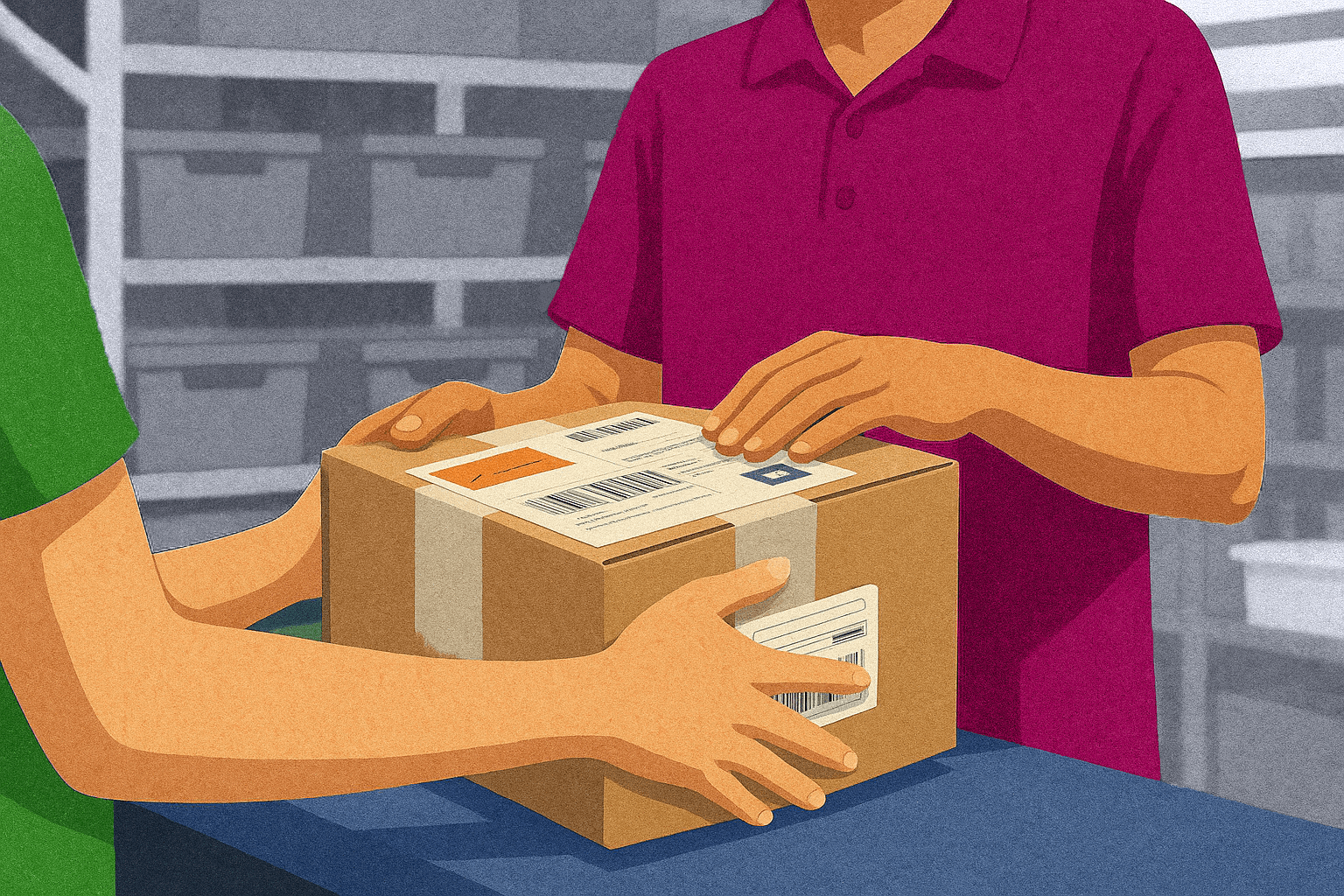
How Jay Group Fits Into the Picture
Jay Group was built for exactly this multi-type reality. With dual-coast operations in Pennsylvania and Nevada and a focus on ecommerce and omnichannel brands, we design fulfillment and reverse logistics programs around your business model mix, not a generic template.
That typically includes:
-
DTC/B2C fulfillment with branded packaging, kitting, and fraud-aware returns
-
B2B and wholesale capabilities that coexist with ecommerce in the same network
-
Marketplace- and SLA-aware operations so your presence on major platforms is an asset, not a constant fire drill
-
Reverse logistics that capture item-level data, condition, and suspected abuse patterns—so finance, CX, and operations can actually see what’s happening after the buy button
For ecommerce brands, “types of ecommerce” shouldn’t be a theory slide in a deck. It’s the foundation for how you protect margin, keep promises to customers, and decide what you need from your 3PL. Once you’re clear on the mix of models you’re really running, the next step is straightforward: build operations, tech, and partnerships that fit that mix—so your ecommerce doesn’t just grow topline, it grows in a way your margins and team can sustain.
FAQ: Types of Ecommerce and Fulfillment
FAQ1: What are the 6 main types of ecommerce?
When people talk about “ecommerce,” they’re usually talking about very different businesses under one label. At a high level, there are six common types: B2C, B2B, C2C, C2B, B2A (or B2G), and C2A.
For most brand-led teams, day-to-day reality lives in B2C (often DTC) and B2B/wholesale, with marketplaces layered in on top. The others matter more at the edges—resale, trade-ins, government sales—but they still influence customer expectations and operations. Knowing which ones you actually operate in is less about labels and more about designing fulfillment, tech, and service levels that fit how your business really runs.
FAQ2: Are B2C and DTC the same thing?
Not exactly. They’re related, but they’re not the same. B2C simply means you sell to end consumers. DTC (direct-to-consumer) is a specific version of that, where the brand owns the customer relationship end to end—your site, your data, your fulfillment promises.
For example, a multi-brand retailer selling online is B2C, but not DTC for the brands it carries. A skincare brand selling through its own Shopify store is DTC. This distinction matters operationally because DTC puts more pressure on fulfillment speed, branding, and returns—there’s no retailer in the middle absorbing the friction.
FAQ3: An one brand operate in more than one ecommerce type?
Almost always. In fact, it’s more unusual today not to. A typical brand might sell DTC on its own site, list products on Amazon or Walmart, and also ship wholesale orders to retailers or distributors. Some add resale, buy-back, or trade-in programs that introduce C2C or C2B dynamics. The challenge isn’t running multiple types—it’s pretending you only run one when designing fulfillment, policies, and systems. That’s where friction, stock imbalances, and margin leaks tend to show up.
FAQ4: Why does my ecommerce type matter for fulfillment and 3PLs?
Different types of ecommerce create very different operational profiles. DTC/B2C is heavy on small parcels, fast shipping promises, and branded packaging. B2B orders tend to be larger, more structured, and tied to retailer or distributor requirements (case packs, pallets, routing guides). Marketplaces enforce strict performance metrics and penalties for late or inaccurate shipments. If your 3PL and internal processes aren’t built around the mix of types you actually run, you can end up with stock-outs in one channel, excess in another, and margin quietly disappearing in the shuffle.
FAQ5: What are examples of B2B, B2C, and C2C ecommerce?
A B2C example is a brand selling products directly to consumers through its own website or a marketplace. A B2B example is a manufacturer or brand shipping bulk orders to retailers or distributors through a wholesale portal. C2C shows up on resale platforms where individuals sell products directly to other individuals.
These models often coexist around the same product. A customer might buy your item new from your site (B2C), resell it later on a marketplace (C2C), and influence how future buyers think about your brand’s value and durability.
FAQ6: How does ecommerce type affect returns and reverse logistics?
Returns look very different depending on the ecommerce model. In DTC, returns are customer-facing and brand-sensitive—speed, communication, and condition grading all matter. In B2B, returns are less frequent but more procedural, often tied to compliance or shipping errors. Marketplaces introduce their own rules and timelines, sometimes forcing decisions that don’t always align with brand economics. If reverse logistics isn’t designed with these differences in mind, brands often end up losing margin quietly—through excessive write-offs, slow restocking, or inconsistent disposition decisions.
FAQ7: How does a 3PL help brands manage multiple ecommerce types at once?
A good 3PL doesn’t just move boxes—it acts as an operational translator between ecommerce models. That means using shared inventory across DTC, B2B, and marketplaces without creating stock-outs, applying different pick/pack and compliance rules by channel, handling returns in ways that preserve resale value, and giving teams visibility into what’s really happening after the buy button is clicked. The goal is one operational backbone that flexes across ecommerce types, instead of a patchwork of processes that only work when volumes are low.